

People can develop preferred gambling times for reasons that have little to do with the actual probability of a particular outcome. Daily routines, leisure schedules, social activities, and the availability of certain games can all influence when someone chooses to gamble. If this free kredit is the main goal, players may also contribute to these habits when offers or platform activities are associated with particular periods. Over time, repeated experiences can make a specific time of day feel familiar or more convenient, even though the timing itself does not necessarily change a game’s underlying odds. Examining these patterns helps explain how personal routines, environmental cues, and previous experiences can shape the times when some players are more inclined to participate in gambling activities.
Why Familiar Times Can Feel More Natural
Repeated behavior can create associations between an activity and a particular setting or time. If someone repeatedly gambles during a certain period, that time can become familiar and easier to associate with the activity. The surrounding circumstances may reinforce the connection, such as being at home, having finished daily responsibilities, or interacting with friends. Eventually, the time itself can serve as a contextual cue that reminds someone of the activity. This illustrates how routines can develop through repetition without requiring a deliberate decision to establish them.
How Social Activities Influence Timing
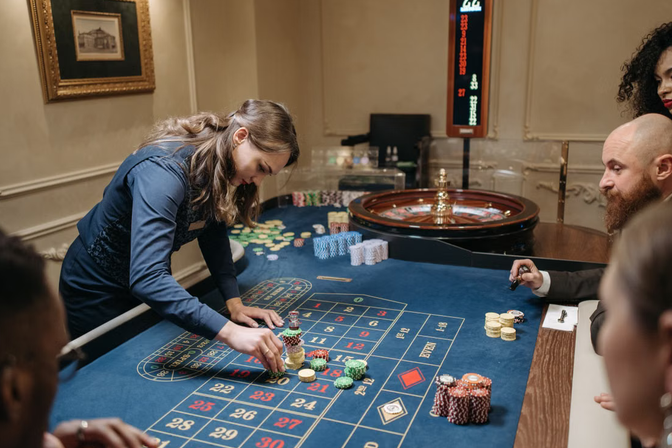
Gambling can also occur in social environments where others shape schedules. Friends may meet at particular times, sporting events may take place during predictable periods, and certain forms of entertainment can naturally create gambling opportunities. These external schedules can influence when people participate. In such cases, the preferred time reflects the availability of a shared activity or social setting rather than an inherent preference for a particular hour. Social routines can therefore become an important part of the timing associated with gambling.
Why Different Gambling Activities Have Different Patterns
The type of gambling involved can influence when people encounter or participate in it. Some activities are connected to scheduled events, while others can be accessed throughout the day. Sports-related betting, for example, may follow the timing of particular competitions, whereas other gambling activities may not depend on an external event. Availability can therefore shape when people participate. Differences in access, location, operating hours, and event schedules can all contribute to recurring gambling times.
How Personal Associations Reinforce Preferences
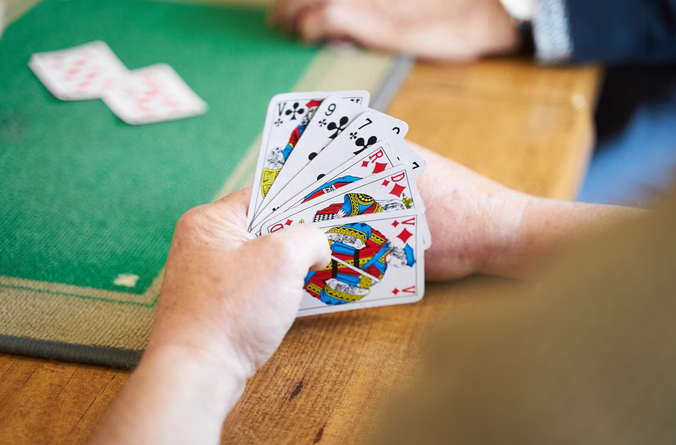
A preferred gambling time can become connected with memories and expectations formed through previous experiences. A person may associate a particular period with relaxation, entertainment, social interaction, or past gambling outcomes. These associations can make the same time feel especially relevant when the opportunity to gamble appears again. Importantly, a preferred time does not imply that outcomes are more favorable during that period. It mainly reflects how behavioral routines, environmental cues, and personal associations can shape when an activity occurs.
Some players develop preferred times for gambling because participation can become connected with daily routines, social schedules, availability, and repeated environmental cues. A particular period may gradually become associated with the activity through repetition, while sporting events or social gatherings can provide external reasons for participation at specific times. Personal memories can reinforce these associations over time. The resulting preference reflects patterns in human behavior and scheduling, not evidence that a particular time of day changes the underlying probabilities of gambling outcomes.