
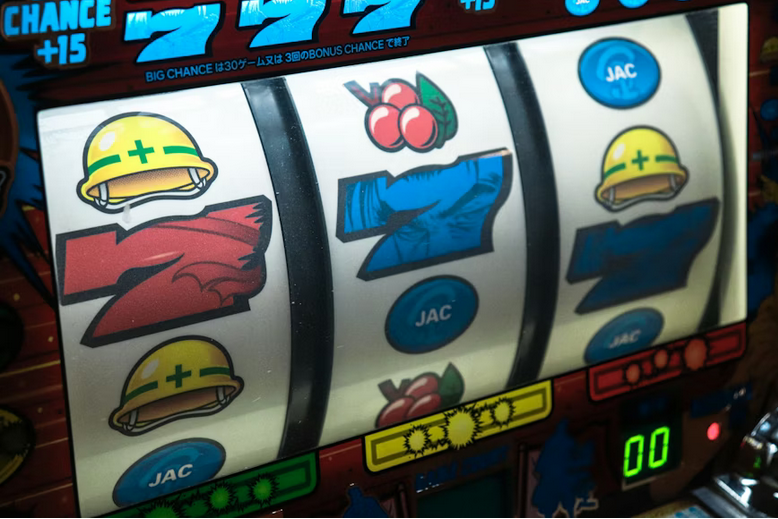
Walk through any casino, and you’ll notice something strange: slot machines don’t feel like simple machines. They glow, hum, celebrate, and react as if they’re aware you’re there. Even online, slots manage to feel responsive and oddly personal. This isn’t an accident. Casinos rely on subtle psychological design choices that turn spinning reels into experiences that feel alive, engaging, and hard to walk away from.
Sensory Feedback That Mimics Interaction
One of the earliest tricks used in slots is sensory responsiveness. Lights flash immediately after you press spin, sounds swell during near wins, and the reels slow down just enough to build anticipation. When players explore new games or even hunt for a good slots promo code while browsing options, these rapid feedback loops create the feeling that the machine is reacting to you, not just running code. The brain interprets this as interaction, the same way it responds to notifications or game achievements.
The Power of the Near-Miss Effect
Few psychological tools are as effective as the near miss. When two jackpot symbols land and the third barely slips past, the brain reacts almost the same way it would to a win. Studies show near misses increase motivation rather than disappointment. Slots use this effect constantly, creating the illusion that success is close and achievable, even when outcomes are random. This keeps players engaged longer than clear losses ever would.
Variable Rewards to Keep the Brain Guessing
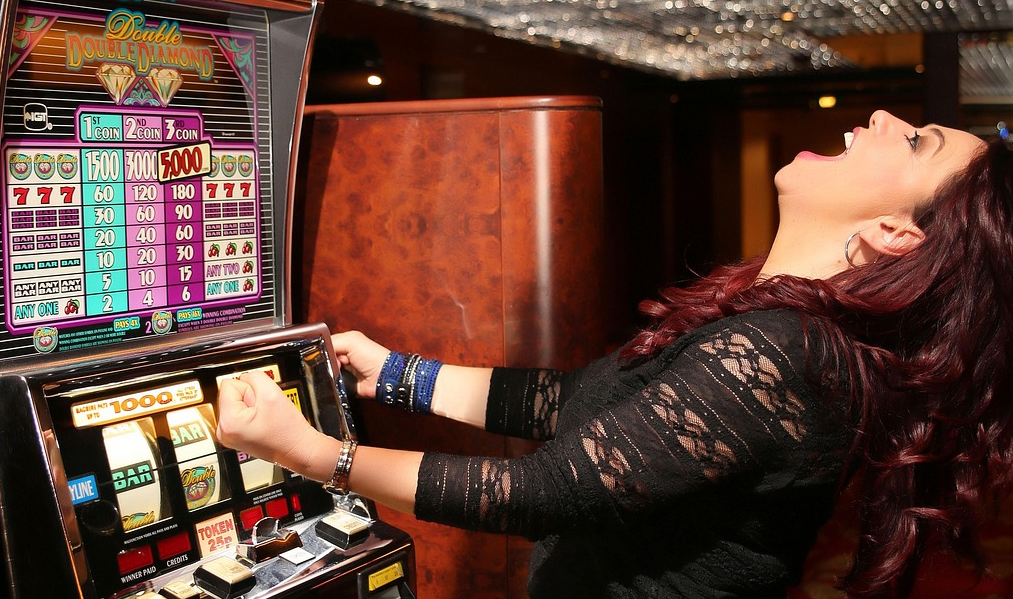
Slots are built around variable ratio reinforcement, the same system that makes social media feeds addictive. You never know when the successive win is coming or how big it might be. This uncertainty triggers a stronger dopamine response than predictable rewards. Because the timing is unpredictable, the brain stays alert and engaged, interpreting the experience as dynamic rather than mechanical.
Personalization That Creates Emotional Attachment
Modern slots, especially online ones, subtly adapt to player behavior. Game recommendations, favorite lists, themed bonuses, and even avatar-style elements give the sense that the game “knows” you. This perceived personalization fosters emotional attachment, making the machine feel less like a tool and more like a companion in the experience.
Time Distortion and Flow States
Slot design intentionally encourages a flow state, where awareness of time fades. Continuous play, automatic spins, and smooth animations reduce natural stopping points. Without clear breaks, minutes blur into hours. When a machine keeps you in flow, it feels alive simply because it holds your attention without interruption.
Social Proof Without Social Pressure
Even when playing alone, slots surround you with signs of shared excitement. Celebration sounds from nearby machines, pop-ups announcing other players’ wins, and leaderboards all suggest a lively, communal environment. This creates energy and legitimacy, reinforcing the idea that something exciting is always happening.
Slots feel alive because they’re designed to feel that way. Through sensory feedback, psychological reward systems, and subtle personalization, casinos turn simple games into experiences that engage the brain on multiple levels. Understanding these design choices doesn’t ruin the magic—but it does pull back the curtain, reminding us that behind the blinking lights and cheerful sounds is a carefully engineered illusion.